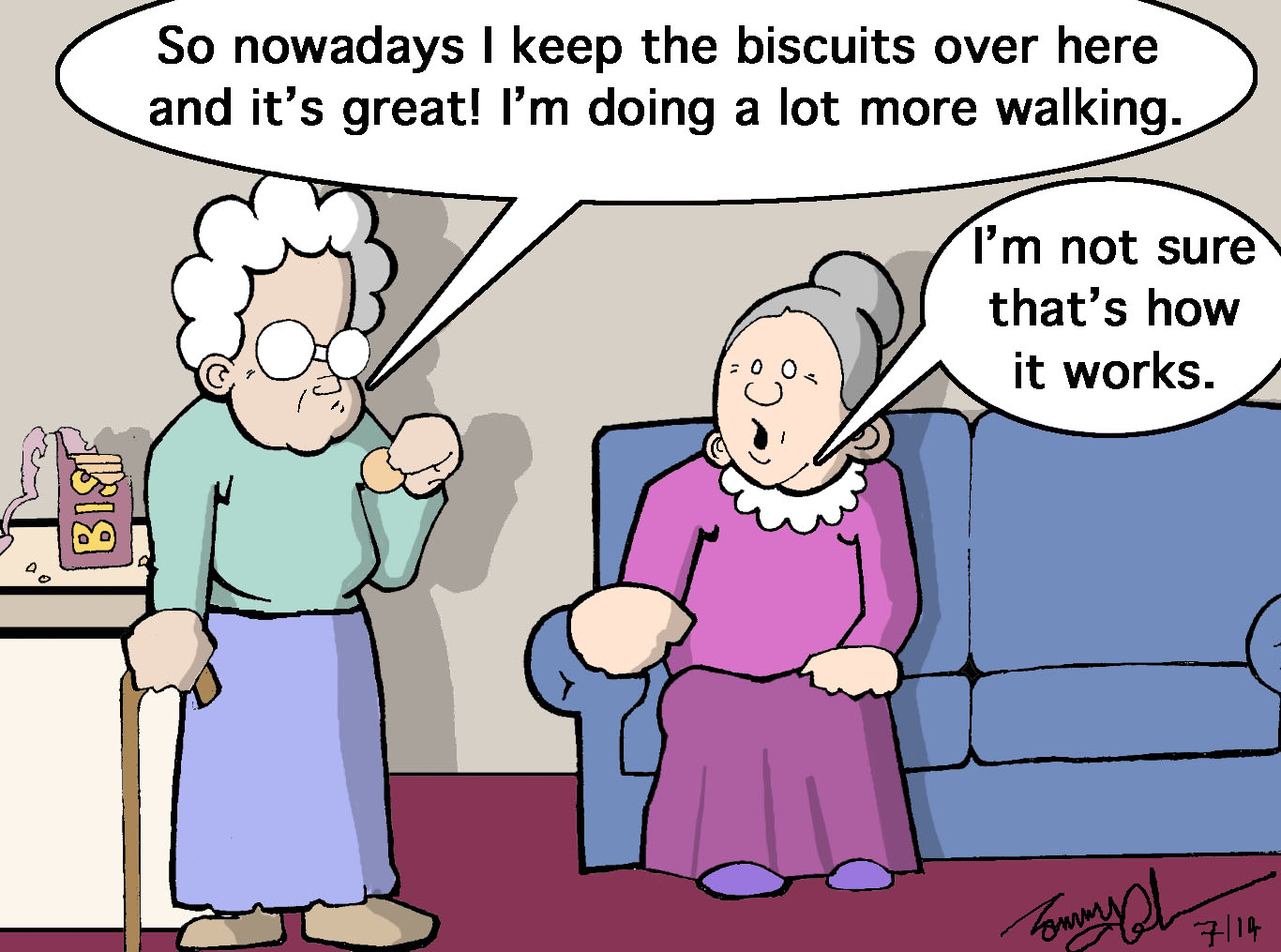
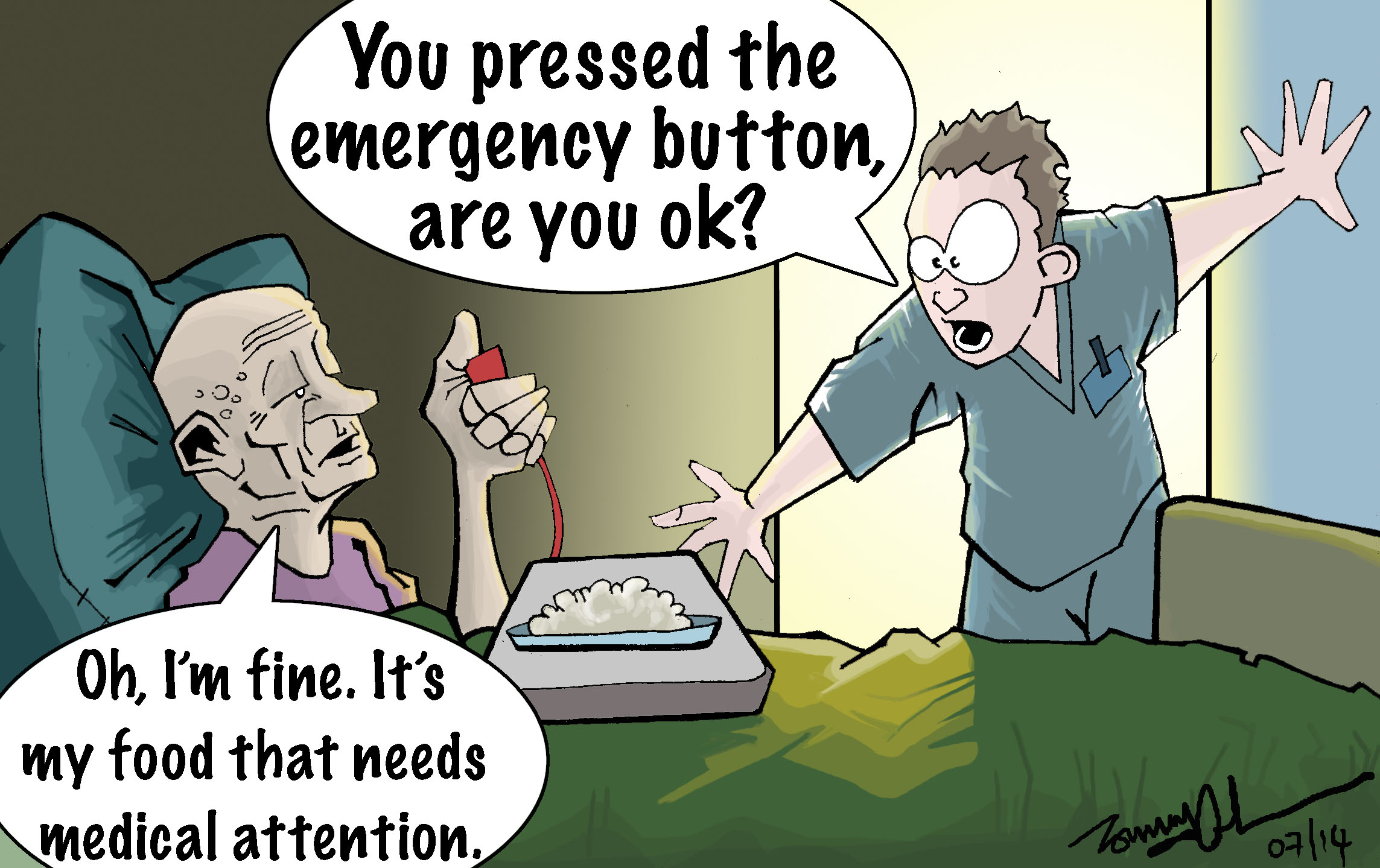
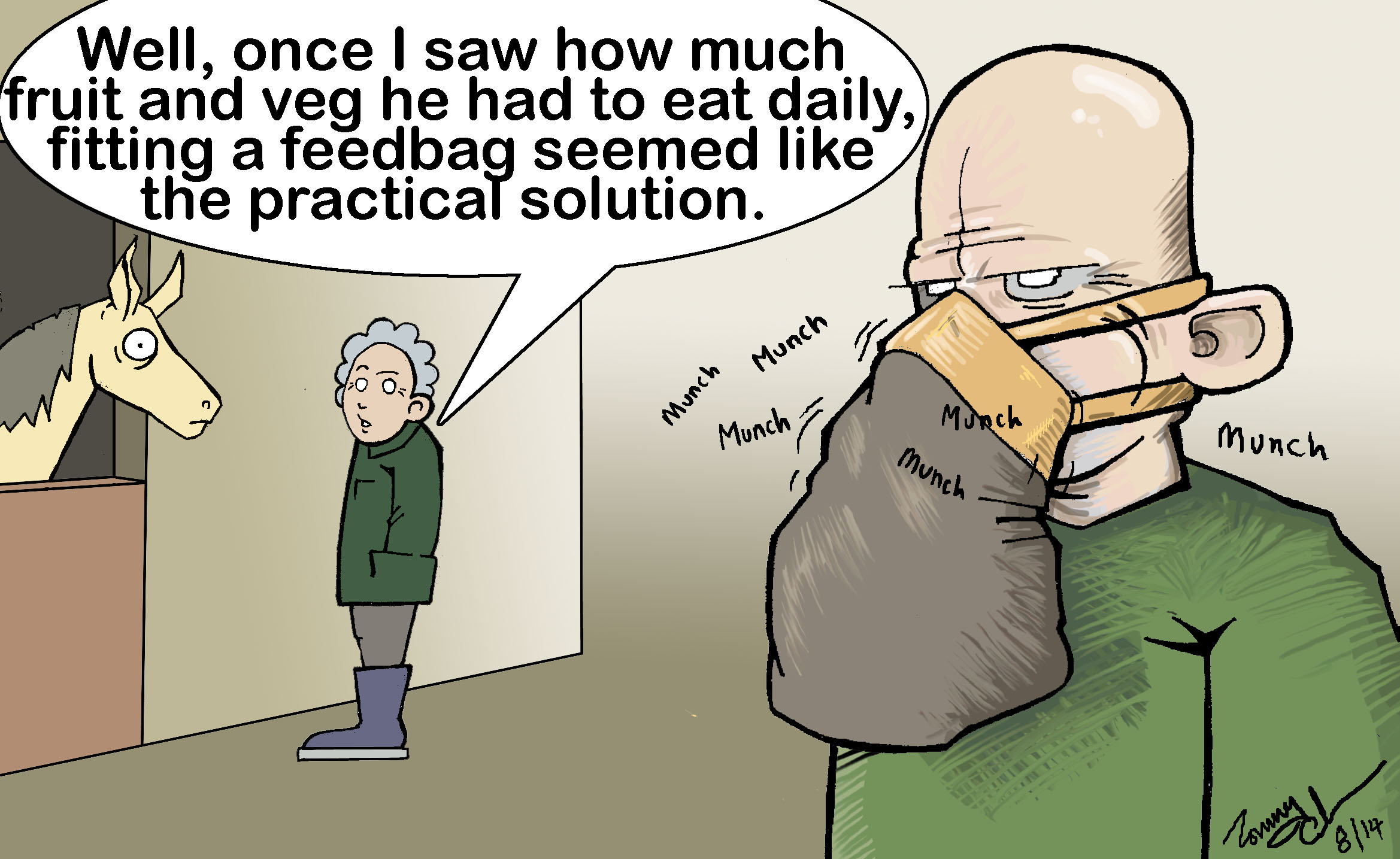
“Early Dementia Signs”

Promoting an active lifestyle for older people has always been the central theme of my working career over the last thirty years.

In your working life, it is your job that drives you to get up early in the morning, rain or shine.  When you retire, the loss of this strong motivation needs to be filled.  Initially most people have a backlog of chores around the house to do, in between the holidays and trips that were put off while you were at work.  This immediate post-retirement period has its own momentum while you enjoy the new found freedom from workday responsibility, but then what’s next ?

The transition into long-term retirement has no road map – you have to find your own way.  Family, volunteering, hobbies or a new interest all offer answers that fill the early years after work.

An interesting piece of research at The Institute of Health at Maryland in the USA studied older peoples’ lives in retirement.  They gave MRI scans to over 4,000 people with an average age of 76 who specifically did not have dementia or depression.  They studied levels of apathy amongst the group by asking them questions about their current lifestyle.  Indications of apathy were – lack of interest; lack of emotion; dropping activities and interests, preferring to stay at home and having lack of energy.

They found a correlation between those people with a high number of indications of apathy and accelerated brain disease.

The moral of the story:-
ManSmilew-BIGboard Cropped 147


Posted in Dementia | Tagged | 2 Comments

“Be a Jitterbug”

A small piece of research by cardiologists at the University of Texas has profound implications for the care of the elderly, although probably no-one, including older people themselves, will jump up and take notice.

The research found that getting up and moving around can stop your fitness from dropping and keep your heart healthy.  The study concluded that sitting down for two hours can be just as harmful as 20 minutes of exercise is beneficial.

The reality for many elderly people, especially those in residential care homes, is that there is nothing to do but sit around all day.  So while we are supposedly caring for people, we are actually doing them more harm.

jitterbug

Care needs to be focussed on maintaining an active life.  The good news is that it does not have to mean joining the gym or walking 5 miles a day.  Great if you can do that but just taking a few small steps frequently can at least maintain your current level of fitness and keep the grim reaper away for a little longer.

This implies a radically different approach to residential care, where currently the focus has become safety first.  Where care plans concentrate on ensuring you take your pills and where bowel movements have become more important than getting out and about.

Active care plans challenge residents and also staff.  Residents deserve more out of life than a rocking chair that no longer rocks.

Posted in HEALTH | Tagged | 1 Comment

“It Pays to Die”

Inheritance tax is your final tax bill, easy to put out of your mind because it is only paid after you are dead.    At one time it was only paid by the very wealthy, but as home ownership has become more widespread and as property prices have escalated, more and more people are drawn into it.

Currently you need to leave a legacy greater than £325,000 to pay it.  In 2012-13 it is estimated that 15,976 estates paid inheritance tax, which is only 3% of all deaths in the year.  Nonetheless, this totalled up to £3.4 billion.

By 2018-19 the Office of Budget Responsibility expects this to rise to £5.8 billion.

If you are a Government hell bent on austerity, this is a powerful incentive for a much more aggressive policy on euthanasia (oops ! ….. assisted suicide).       And as a collateral benefit, we will save a lot more money spent on the NHS, if there are less old people around.

ManSmilew-BIGboard Cropped 149

Posted in ELDERLY UK POLICY | Tagged | 2 Comments

“Greasing the Slippery Slope”

Lord Faulkener’s Bill only passed its second reading in the House of Lords in July this year.  This Pandora’s coffin has been opened and now the elderly must face the consequences.  Furthermore they may not even have to wait until the Bill reaches the legislation stage.

The subject of assisted dying is no longer taboo.  A cardiologist in Heart of England Hospital in Birmingham has been widely reported as advocating allowing more elderly people to die, particularly if they have a heart attack, they should not be resuscitated. This may sound reasonable, especially when his experience is that only 5% of elderly people leave hospital after being resuscitated.

The problem is where does it stop?  If resuscitation is denied to older people, why not withhold Cancer treatment?  Why give any life prolonging drugs to older people?  It is potentially, even probably, a waste of money?

Withholding treatment is the unspoken simple way of allowing assisted suicide.  No second doctor needed.  No patient consent.  Not even a Bill in the House of Lords.

ManSmilew-BIGboard Cropped 148


Posted in HEALTH | Tagged | 1 Comment

“Switched on Granny”

More and more pensioners are using the internet, at least according to retirement housing developer McCarthy and Stone.

Amongst 600 older people they studied, half own tablets of the computer kind, rather than those given out by their doctor.  Three quarters had a laptop or a desktop computer.  47% of the study group had a Smart Phone.

These ownership figures are very high compared the UK elderly population as a whole, which no doubt reflects the fact that people who buy McCarthy and Stone homes have downsized to buy a new home and probably have more disposable income.

So, although it is not representative of all older people, this small survey is an indication of how retirement housing and the internet can open up a new life.  Talking to friends with a live video link on Skype for free; watching the world go by on YouTube video as an escape from daytime TV; chatting to family / friends and sharing photos on Facebook.

It can be a more connected world out there if you switch on.

(For other posts on this subject, click on “Technology Gap” in the Topics list).

ManSmilew-BIGboard Cropped 154

Posted in SMILES | Tagged | 3 Comments

“More Food for Thought”

I have written a lot about the way elderly people are malnourished in hospital but it seems like senior officials at the NHS were out to lunch at the time.

See the previous blog – Food for Thought – by clicking on June 2012 in the ARCHIVE.

Dr Liz Jones is Head of Patient Experience at the Department of Health and is responsible for policy on hospital food.  Anyone with that title must risk being sacked every day.  At the Age UK Later Life Conference this year, she shared some pearls of wisdom which tell you why the Department of Health is so starved of ideas on this vital issue.  She said:-

  • “If we give them nice food, it will make them feel better” – I wonder how long it took for her reach that revelation?   Judging by all the reports of malnutrition in hospitals, perhaps she should have said “If we give them any food it will make them feel better”.
  • “Patients need better nutritional care because if they do not eat enough they will get sicker quicker and better slower” – that’s a nice sound bite!
  • “Many uneaten dishes are recipes that elderly patients would not normally eat” – 30 million uneaten meals are thrown away annually. You think that would tell Dr Jones something rather more strategic than just taking Tai Curry off the menu.
  • “Older people are at risk of not eating enough because they had become terrified by anti-obesity campaigns” – what planet is this woman on?

hospital food

Her recommendations:-

  • “Give elderly people unhealthy treats such as doughnuts, ice cream and chips” – presumably not all at once.
  • “Encourage them to eat as part of an overhaul of hospital foods” – after all the efforts of Lloyd Grossman, Hester Blumenthal and Jamie Oliver, nothing seems to have changed.

Finally the key word:-

ManSmilew-BIGboard Cropped 142

What is missing from Dr Jones’ recipe is the nursing staff making mealtimes a priority not an interruption in their form-filling days.

Bring relatives and visitors in at lunchtimes and make mealtimes enjoyable, instead of serving up patronising platitudes.

Posted in N.H.S. | Leave a comment

“Longer House”

Only a few days ago I was advocating a new form of house which could provide for the extended family; a several generation household instead of the fragmented family option of Granny in the downsized flat and the grown up kids in a rented waiting room, in housing limbo until the family house is sold by the parents to put deposits down on homes for the children.  (See previous blog by clicking on “RETIREMENT HOUSING” in the Topics List).

I had forgotten another housing option, one which was quite common in equally austere and housing-shortaged Britain after the Second World War.  The lodger was a common addition to many households as a way of supplementing income and filling a spare room.  No need for a bedroom tax in those days, people automatically thought of using under-occupied rooms.

We had a succession of managers from Woolworths (Woollies) Department Store who I remember brought me sweets home.  Then there were the shoe shop managers, all stepping up the shoe shop management ladder, one shop at a time.  No free shoes that I can remember, but I did get to play in the Clarks shoe shop and see my feet in the X-ray machine.  I remember Uncle Glyn who was a great cartoonist who drew lots of Disney characters for my bedroom wall.  Then there was big David Rowlands – a Rugby player who had to duck to get through the doors in the house.  I am sure he was 7’ 6” with feet as big as dinner plates.

Lodgers bring back lots of happy childhood memories.  So maybe the multi-generation family long house could be extended to provide for a few lodgers.

A recent survey by LV=, the home insurer, found that twice as many homeowners are taking in lodgers to make ends meet, compared to 5 years ago.  The average rent for a spare room in the Midlands was £201 for a month, in London it was £345.

P.s.     My Dad used to collect insurance door to door every fortnight for the Liverpool Victoria before it became posh and unrecognisable as LV=.      Now, it is all online and no friendly face calls at the door any more.     Progress of a sort, but insurance is not cheaper.    Nonetheless. I’ll bet LV= has a glossy, glassy, swanky HQ office and I don’t suppose their managers lodge in people’s houses anymore.

Posted in RETIREMENT HOUSING | 2 Comments

“Upsizing”

There is a new type of housing needed to meet the changing needs of extended families.

In previous generations, the 2 or 3 bed family house was the aspiration of most people, it provided a home for a couple to have a family and gave them accommodation for twenty years until the kids grew up and left home.  Then Mum and Dad were left to rattle around in their empty nest.

Now things have changed, even if the kids leave home to further their education, they often return because they cannot afford a home of their own.  If Mum and Dad are really lucky, the kids may bring home a new family of their own:-)   The shortage of housing;  the rising cost of property;  ever tightening mortgage criteria and the bedroom tax all make moving away from home more difficult.

Then of course there is Granny, who may well have a downsized home of her own, but needs some help and support from her family to stay independent.

According to the National House Building Council, 3.3 million adults aged 20-34 are living with their parents.   A further 510,000 people aged 35-64 are also still living at home.  There were nearly 400,000 multi-generational homes in the UK in 2011.

The current fragmented housing market is still made up of four basic house types :-  family housing for the two generation household;  first time buyer one bed houses for couples without children;  shared flats for young single people and a pokey retirement home for Granny.

How about pooling the extended family resources to build a sort of “long house” (like native houses used to be in Borneo), one which could provide for three or even four generations?  Mum and Dad downsized in their own home,  Granny in the Granny flat – a live-in Nanny for the youngest generation;  and the grown up kids with their own space which gradually takes over more of the accommodation as their family expands.

Probably a nightmare of family tensions on occasion, but an intergenerational mutual support system most of the time.

Posted in RETIREMENT HOUSING | 2 Comments

“Eat More Fruit & Veg 11”

This is a continuation of the fruit and veg theme (click on the “EMFV” in the TAG CLOUD for the other posts).

There are many more vegetables, where a cupful would make up another one of your “Seven a Day”.  All seem to have more nutritional value uncooked.  Most possess vitamins A, C, E, K or unfathomable names – Glucosinolates, Chromium, Lycopene, Carotenoids, whose benefits seem only to be understood by dietitians.

Best just gobble them up and hope you get the combination of vitamins and nutrients right for your personal needs.  I doubt you will get fat through eating copious amounts of vegetables (except potatoes) providing you lay off the salad dressing.

Eatmorefruitandvegfinal


Posted in HEALTH | Tagged | 1 Comment

“Night, night sleep tight”

The image of an older person going to bed with a cup of cocoa leaves the impression of someone who is slowing down and quietly popping off to bed after the nine o’clock news – except the news is now 10 o’clock.

No more late night clubbing, no more drinking in the pub till closing time – there don’t seem to be closing times anymore.

The cocoa may be more significant that it first appears.  Research by Professor Passinetti of Mount Sinai Hospital in New York, suggests that Lavado Cocoa stops clumps of proteins building up in the brain and damaging nerve cells.

Therefore, the scientists claim it could stave off Alzheimer’s disease.

So after your glass of red wine in front of the tele, don’t forget before bed:-

ManSmilew-BIGboard Cropped 146


Posted in Dementia | Tagged | 5 Comments