“Same Old, Same Old – Loneliness”

Here is another theme from the “Repetitive News Headlines” about older people in the news over the last 12 months.  (Click in the TAG CLOUD on “Same Old Same Old” for other posts on the theme).

Loneliness and isolation has been a frequent subject in my blogs:-

  • A quarter of those over 75 who live alone, go whole days without any human contact;
  • Half of all pensioners say TV or their pet is their main source of company;
  • The link between loneliness and ill-health is well established;
  • Social isolation is more damaging than not exercising and twice as harmful as obesity;
  • Loneliness increases the risk of depression and raises the odds of developing dementia by two-thirds.

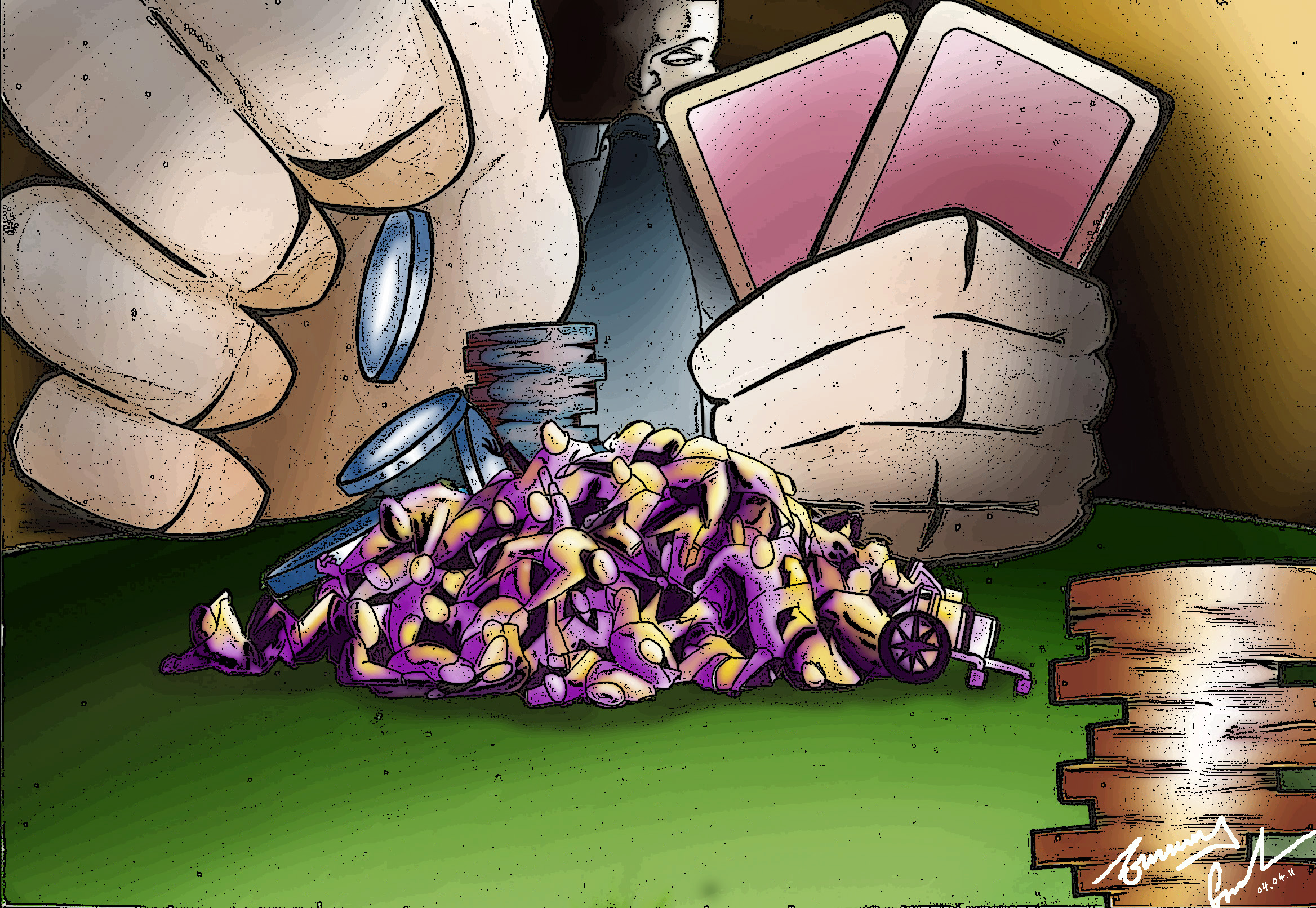
Report after report reiterates these findings.  Meanwhile, Local Authorities have been forced to close day centres and subsidised public transport has been gradually reduced.  Short term austerity measures have a high cost in human terms but eventually lead to higher costs to the NHS.

Action is required, not more reports and newspaper headlines.   The voluntary sector needs to be better funded to enable more elderly people to get out and about and socialise.

This could be a new daytime role for the many struggling pubs at lunchtime.    It already happens on a small informal scale.    It needs to be stepped up to a whole new level.

             How about ——-   Pubs as communication hubs :-).

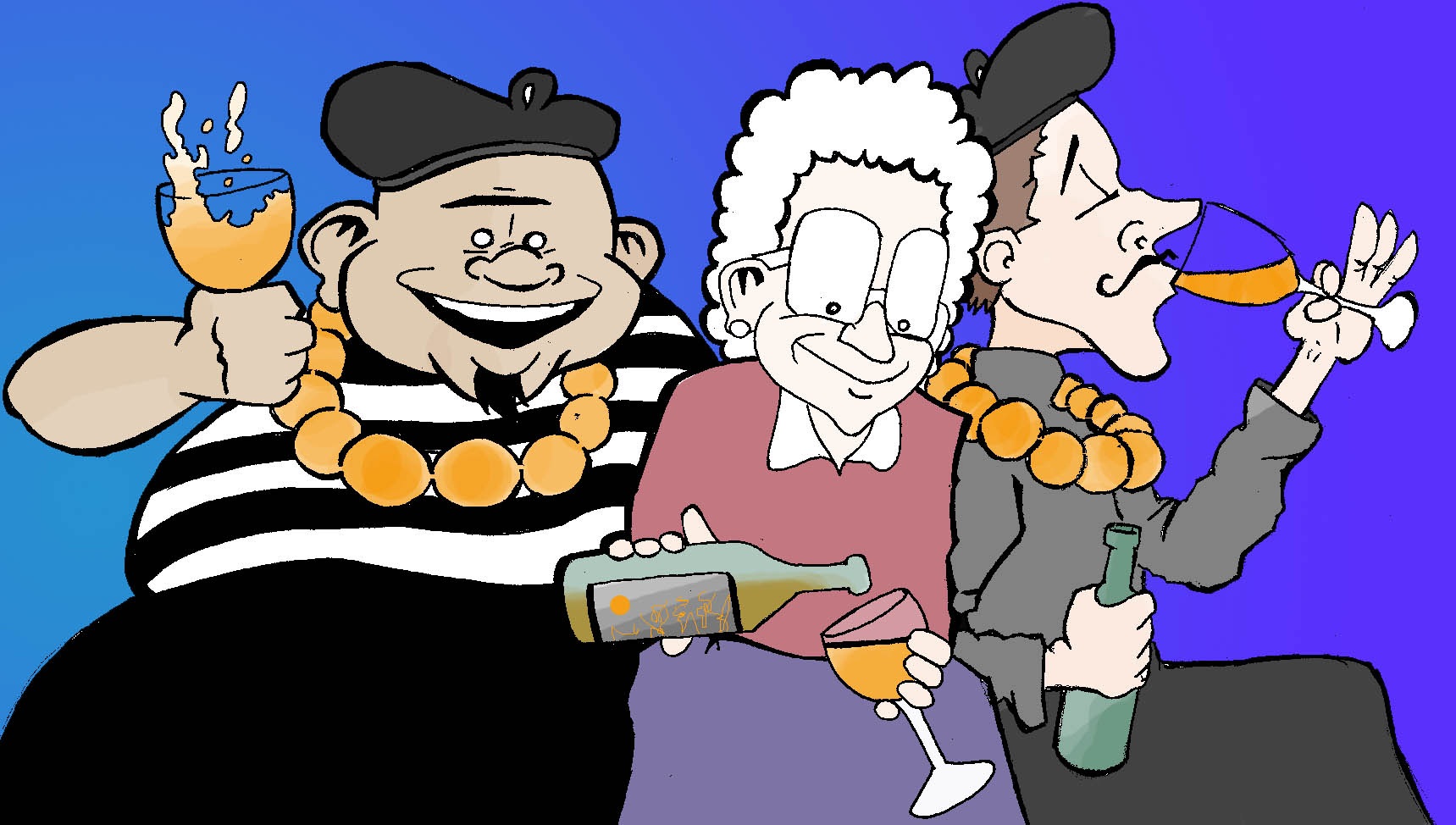
Many pubs have “happy hours” to entice early evening customers after their working day by offering cheap drinks.    Why not have a similar “age-friendly seniors happy hour” every afternoon and encourage older people to get together in their local pub.    Activities could be supported by offering health advice talks;  education classes run by the University of the Third Age and games and quizzes to refresh the ageing brain.    GPs could offer red wine on prescription – for health reasons of course – all those anti-oxidants :-).

pubjpeg (2)

I appreciate pubs have to run on commercial lines but an influx of new customers in the afternoon would not only bring in new business, but could be partly subsidised by the health service to cover the costs of the use of their facilities.    This would require bold and innovative new thinking by the NHS, but it would be a positive response to the fact that there is a strong correlation between social isolation and loneliness with ill health.

Maybe Age UK could see this as a new line of business 🙂 a new chain of age-friendly pubs building a social network for older people.    Easy access for wheelchairs throughout – especially to the toilets.    Sufficient space between tables for wheelchairs.    Waiter/waitress service to your table so you don’t have to carry your own and other people’s drinks.    Large print menus and small portion meals.    These are not major changes that require significant investment, but they do require a more open and age-friendly approach to the everyday needs of older people.

Next we could to go on and apply this approach everywhere else so that old people feel welcome everywhere they go:-

Personal shoppers for people who can’t get out;

Shops that offer home delivery for old people, free of charge;

Supermarkets with age-friendly check-out lanes exclusively for old people;

Schools that invite older people in to act as teaching assistants, 1-1 pupil helpers, living historians;

Mobility scooter lanes on all inner city roads and charging points at convenient locations in every town.

Banks with real people behind the counter to answer your requests, rather than automated computers.

It is not much to ask !  Most of these services could be provided free of charge in an “age-friendly” city in recognition of the contribution older people have made to society over the years, but also in respect of the fact that older people in later life can continue to offer much to society as volunteers.    The other effect of this greater engagement of older people is likely to be a positive impact it has on their lives and the beneficial reduction in their health care needs.


Posted in ELDERLY UK POLICY | Tagged | 2 Comments

“Same Old, Same Old – Technology Age Gap”

This is a follow-up to the last blog – “Repetitive News Headlines” and picks up on the theme of how the introduction of new technology is moving faster than older people’s’ ability to keep up.  (Click in the TAG CLOUD on “Same Old Same Old” for other posts on the theme).

The first three of my recent headlines are early signs how older people can be disempowered and marginalised.

The ending of cash payments on buses in London may only seem like a small step, one in which will be easily understood by most Londoners and certainly by London pensioners who all travel for free with concessionary tickets.  But what if the concession is withdrawn as the austerity belt tightens in the future?  Then all older people will need to figure out what an “oyster card” is and learn to jump on buses quickly :-(.

The second step towards disempowering older people is the move to digitize Government services by making them a predominantly on-line service.  Cabinet Office Minister, Francis Maude, tells us “it will be good for us and that everything can be delivered on time.”  Conveniently overlooking the fact that more than 5 million pensioners have never been on-line.  I doubt these arrogant age-unfriendly politicians will dare introduce exclusive on-line voting, in case they lose the grey vote.

The third headline compared the different levels of use of new technology between age groups.  A study by Ofcom, the communications watchdog, unsurprisingly found that teenagers are the most confident group with technology.  Many youngsters have never known a world without Facebook, YouTube and Twitter, whilst at the same time many older people still are not using emails and social media.

There is a communication divide opening up between the young and the old, not just the technology but a language barrier of tweets, blogs, instagrams, texts and even Oyster Cards.  Only one-third of people over 55 own a tablet.  Less than 15% of over 65’s own a Smart Phone, whereas almost 90% of 16 – 24 year olds do.

These observations are not a rant against technology, just a plea for a more inclusive transition.  It is not older people who have to get to grips with technology, it’s technology that has to adjust to the needs of older people!  Many older people struggle with the pace of change and resign themselves to being left behind.  Those with mental frailty, such as Alzheimer’s or with visual or hearing impairment, have major problems comprehending new technology.  However, the technology has the potential to hugely enrich their lives and assist with their frailty.

The new technologies need to embrace and adapt to older people, not exclude them.  Technology companies should look at things through the eyes of older people when designing new products for them.  The first TVs just had an “on, off” button with sound and brightness controls.  They were no more complex than that.  There weren’t even extra channels to contend with.  We need to get back to that level of simplicity for many of the older, elderly generation.  Touchscreen technology may be a step in the right direction but the limited dexterity of older hands doesn’t always find this easy.  Voice activated computers are maybe the next step, but making that first step needs a guiding hand.  If we can once start people on the journey, there is a whole new world in front of them to explore from their living room.

ManSmilew-BIGboard Cropped 170

Posted in ELDERLY UK POLICY | Tagged , | 1 Comment

“Same Old, Same Old – Repetitive News Headlines”

I used to follow the news avidly to keep me in touch with the ever-changing world.  I don’t do it so keenly now because standing back in retirement the news doesn’t seem to change that much.  The 24-hour news reporting produces an endless stream of stories that are repeated over and over.

You have to stand right back to get any sense of the direction of change.  So below are some headlines from the last 12 months, related to older people.  They are listed in random order:

“End of cash fares on buses”

“OAPs’ anger at plan to make official forms online only”

“Are you baffled by technology, ask a six-year-old”

“Dementia diagnoses soars by 60%”

“Common drugs linked to dementia”

“Cutting back on fry-ups reduces risk of dementia”

“Crisis in elderly care means millions face miserable old age”

“Elderly who go days without seeing anyone”

“Half of us not saving enough for retirement”

“Appalling level of care at home for elderly revealed”

“Lives of care home residents put at risk through lack of water”

“Fears over assisted suicide laws, by top judge”

“Old people auctioned off to care homes on internet”

“Cheers to retirement”

A host of  headlines which echo the same themes on the issues of later life.  Sadly, only one of them with a positive message.  All the rest expressing doubts and fears about the quality of social care, the inadequacy of health services for the elderly and the increasing marginalisation of the elderly in terms of advances in technology.  Add to this concerns about their financial security, loneliness and the approaching slippery slope of assisted suicide.

It’s no wonder that old age and old people are increasingly seen as a burden not a blessing.  What’s more if we tell them frequently enough, they will inevitably begin to believe it themselves.  The headlines are, no doubt, an accurate reflection of the way our society is moving but it’s a terrible indictment of the age we live in.

How do we turn these Grumbles into Smiles?

I will explore this in a series of blogs that dig a little deeper into what’s behind these headlines.

Posted in ELDERLY UK POLICY | Tagged | 2 Comments

“Fruit, fruit and more fruit”

Another regular cartoon theme that I have been writing about, is the virtues of eating fruit.  Government advice started with the recommendation of eating 5 a day which is impossible enough.  More recently this has been increased to 7 a day! 

I’m not sure that anyone manages to follow this advice.

The cartoons included in the gallery are listed below and can be found by clicking on the dates in the archive.  

“Eat more fruit and veg 2” – 22 June 2014 – Beans, beans and more beans

“Eat more fruit and veg 1” – 15 June 2014 – Seven a day

“Eat more fruit and veg 5 – 13 July 2014 – Broccoli is trending

“Eat more fruit and veg 3” – 29 June 2014 – Tomatoes, tomatoes and more tomatoes

“Eat more fruit and veg 4” – 6 July 2014 – Bananas

“Eat more fruit and veg 8” – 3 August 2014 – Onions lower blood pressure

“Eat more fruit and veg 9” – 10 August 2014 – Vegetable crisps don’t count

“Eat more fruit and veg 6” – 20 July 2014 – Carrots are good for you and rabbits

“Eat more fruit and veg 11” – 24 August 2014 – Just eat vegetables

This slideshow requires JavaScript.

The key question arising from all this advice is that if its healthy benefits are so obvious “why don’t people follow it”?

Maybe it’s because eating fruit doesn’t satisfy your appetite. 


Posted in HEALTH | Tagged | 2 Comments

Fruity Research and Rainbows

Another regular cartoon theme that I have been writing about, relates to research discoveries that help with the ravages of ageing.  Surprising potential cures for dementia, diabetes and strokes are all something I have written about in the last three years.

The cartoons included in the gallery are listed below and can be found by clicking on the dates in the archive.  

“Fruitful Research 7” – 24th March 2013 – Tomatoes cure heart disease

“Fruitful Research” – 11th January 2011 – Strawberries protect ageing brains

“Fruitful Research 2” – 23rd January 2011 – Beetroot juice prevents dementia

“Fruitful Research 3” – 30th January 2011 – Orange juice reduces blood pressure

“Fruit Juice Hopes Squashed” – 3rd July 2011 – Fruits juices’ hidden dangers

This slideshow requires JavaScript.

There’s no guarantee that any of them work of course :-(!  Nonetheless they do give hope to many older people and keep them endlessly chasing the rainbow’s end of later life.

The only other thing they guarantee is that they keep universities occupied with a constant stream of research projects.

Posted in HEALTH | Tagged , | 3 Comments

“No more pills”

This is the 500th post since I first started writing this blog in 2010.  Obviously now with my thousands of followers, my writing has become much more influential.  Nothing bears this out more than over the last two weeks.  At the beginning of this month I wrote a summary of all my posts on “Pills”, which has been a recurring theme over the last five years.  (Click on “Pills” in the TAG CLOUD to read them all again.)

Judging by recent headlines and articles in several newspapers, it seems as though a number of journalists and a host of doctors are finally thinking the same way about excessive use of pills.  Or maybe, in this flight of fancy they have been up in the clouds reading my blog :-).

The front page of The Times, May the 13th, heralded this new revelation with a headline:-

“Doctors urged to stop giving out so many useless treatments.”

The report was commenting on an article in the British Medical Journal by no less than an authority than Professor Dame Sue Bailey, the President of the Academy of Medical Royal Colleges. ??? Didn’t she win the X Factor three years ago ???

She pointed out that “far too many risky drugs and operations do not improve patients’ lives”.  This is a bold statement that is hardly likely to endear her to many of Britain’s 220,000 doctors, nor to the drug companies who make so much money out of pills, whether they work or not.  Patients’ high expectations of a cure are clearly a large part of the problem and Dame Sue suggests a new catchphrase for all clinicians:-

“Look, there is absolutely no point in having this”.

That is guaranteed to go down well with the patients!

At least the Chancellor of the Exchequer will be pleased with this new advice.  The Academy estimates that needless tests and treatments cost the NHS £2billion a year!

So, no cure at least helps cure austerity.


Posted in HEALTH | Tagged | 3 Comments

Smallprint loses trust

Another common theme that I have been writing about regularly since 2010 is the subject of “small print”.

This might seem like a relatively significant issue.   However a very high proportion of older people wear glasses and over 50% of them have some level of visual impairment.   As a consequence small print is a subtle way of disempowering older people.  It may not be intentional ageism, but it nonetheless makes life a little more difficult in completing many everyday activities.  Gradually older people become more marginalised and less independent.

As the grey market is ignored, as products are only available on the internet and as issues like the difficulty of reading small print, mean things are difficult to find, older people are gradually excluded from many activities of daily living.

The cartoons included in the gallery are listed below and can be found by clicking on the dates in the archive.  

Breakfast Exercise – 6th September 2010

Spectacle Wipes – 7th November 2010

Breakfast Exercise 3 – 20th February 2011

Breakfast Exercise 5 – 27th March 2011

Coke No Joke – 29th January 2012

I Spy Small Print – 7th November 2010

This slideshow requires JavaScript.

These cartoons are about a less accessible world.  More and more products are difficult for old people to open.  Much of the helpful advice printed on packaging is in such small print as to be unreadable.  It only fulfils the company’s legal obligations but is certainly not “age friendly”.  This only serves to remind older people of their increasing frailty.

This blind ageism may not be deliberate but it is definitely inconsiderate.

In some circumstances, a more cynical person might say that it was intended to exploit the weaknesses of older people.

These are all signs of “times past” and values lost, when trust and personal service were a key to retaining repeat business.

The times when people and products could always be trusted, have now been replaced by:-

ManSmilew-BIGboard Cropped 169

Posted in Grey Products | Tagged | 2 Comments

Pills

Ever since I have been writing this blog, “pills” have been a regularly recurring theme and Pilly Galore has been a character that has featured in many of my posts.  Pills are a daily feature of many older people’s lives as we all attempt to stave off the ravages of old age.  Indeed the older you get it seems the more pills you take.

The slideshow below captures the images that I have used to illustrate this issue.

This slideshow requires JavaScript.

A multi billion pound industry has grown up around the delivery of medication.  GPs spend a large part of their day giving out these pills.  The Government, through taxation, foots the bill for the majority of the cost through the issue of “free prescriptions”.

In many cases there is evidence to suggest that either the pills are not taken correctly or not needed at all.  There is also a history of research being published which is then contradicted by new research, as shown by my last two posts on Pills which can be found by clicking on “PILLS” in the TAG CLOUD.

You would have to wonder in the austere times ahead of us whether we might all benefit from taking a lot less pills.  Old people wouldn’t worry so much about whether they have taken their pills and GPs could spend much more time on promoting healthy lifestyles.  Of course the pharmaceutical industry would be devastated by this news which is why it will probably never happen!!!

1 Comment

“Old Paper Boys”

A rattle of the letterbox caused me to look out of the front window, only to see a smart new car parked outside our door.  Two older gentlemen were walking off in opposite directions delivering the local free newspaper to all the houses up and down the street.

I rarely look at the paper, it’s full of local adverts and pages of houses for sale.  Occasionally I use the paper to light the fire but most of the time it goes straight into the bin for recycling.

Still, somebody must read it and buy something, otherwise the advertisers wouldn’t advertise.

Meanwhile, the paper is keeping a few journalists and printers busy every week.  Also a small army of elderly delivery “boys” are getting plenty of exercise and earning some useful pin money.  The good news for older paper boys is that the dogs that used to greet them when they were young are also a little older and more friendly than they used to be.

Old Paper boys finished

We need a lot more job opportunities like this for older people.  Getting out and about with a friend, being paid to keep fit in the fresh air and having the dignity of a job in later life.

Let’s hope the internet doesn’t make them redundant.

Posted in SMILES | 3 Comments

“Same Old, Same Old 1”

My blog posts have thinned out in the last few months because it is hard to think of new things to say about the same old issues.  It seems like no-one is listening, or if they do hear, perhaps no-one cares. Here are some examples of recurring headlines:-

“Stop rushed visits to sick and elderly, carers told”

Times, 5th March 2015

This is a commentary about domiciliary care which 470,000 people in England receive, via funding through social services.

Domiciliary care was the bridge between hospital and home.  A way, with early intervention, of preventing people going into hospital unnecessarily.  Equally important a way of enabling people to be discharged quickly from acute hospital care and still receive some support.

Over the last 10 years, this service has quietly been withdrawn due to the twin pressures placed on the service by increasing numbers of older people and austerity measures.

It started with domiciliary support being limited to ‘critical and substantial’ cases.  Thereafter, visits were frequently reduced to 15 minute time slots – now in some cases that has become 5 minute visits!  Between April 2010 and March 2013, funding for social care fell by 8%.

Funding is reduced, hospital admissions rise and beds are blocked by patients who cannot return home without support.  Meanwhile other Government funded organisations charged with looking after the quality of care for older people, give a chorus of impotent advice:-

  • The Care Quality Commission, Chief Inspector of Adult Social Care, points out the obvious – “choosing between a bath and breakfast because staff dont have enough time, is not safe caring”.
  • The National Institute for Health Care Excellent issued new guidance suggesting home help calls last at least half and hour.
  • The Watchdog Healthwatch England says it will challenge Local Authorities who do not meet the new benchmark (of half hour visits).

Care in the community is rapidly becoming:

ManSmilew-BIGboard Cropped 168

Posted in ELDERLY UK POLICY | 1 Comment