“Dilnot Update”

It is now nearly three years since our politicians were so all consumed in finding a solution to funding long-term care.    This was in the run-up to the last general election.    (See all my earlier blogs on this subject by clicking on “DILNOT COMMISSION” in the TAG CLOUD).

Of course, politicians’ promises soon disappear after elections and sure enough the standard prevarication tool of a commission to look into the issue was set up.    The Dilnot Commission began its work in 2010 and reported its conclusions in July 2011 in its report which was called “Fairer Care Funding”.

Essentially they amounted to:-

  • A £35,000 cap on residential care costs;
  • Residents paying £10,000 per year for accommodation;
  • State funding increased to those with up to £100,000 of assets – albeit tapered.

Andrew Dilnot’s laudable aim was to open up an insurance market to cover the  first £35,000 cost of long-term care.    This left the Government to fund, what the insurance industry would not cover.    What the insurance industry calls the “catastrophic stop loss” – i.e. the costs when the £35,000 runs out.

This was a something for everyone solution that might just have worked, were it not for the new-found “time of austerity” and the rising numbers of elderly people with long-term conditions.   The Government’s problem was the £2.3 billion price tag.

So wait another year and the prospect of another election begins to beckon.    So the Government “modifies” the proposals:-

  • A raised £75,000 cap on residential care costs;
  • An uplift on accommodation costs to £12,500 per year;
  • Some state funding for those with less than £125,000 assets.

Oh and by the way!  ————- not implemented until 2017.

This is unlikely to open up an insurance market because the cost of cover will be too high.  For most people they will still end up paying their own costs at around £100,000 for the first two years.     What the revised proposal offers them is “stop-loss care insurance” beyond the first £75,000, which is a very small improvement on the current situation.

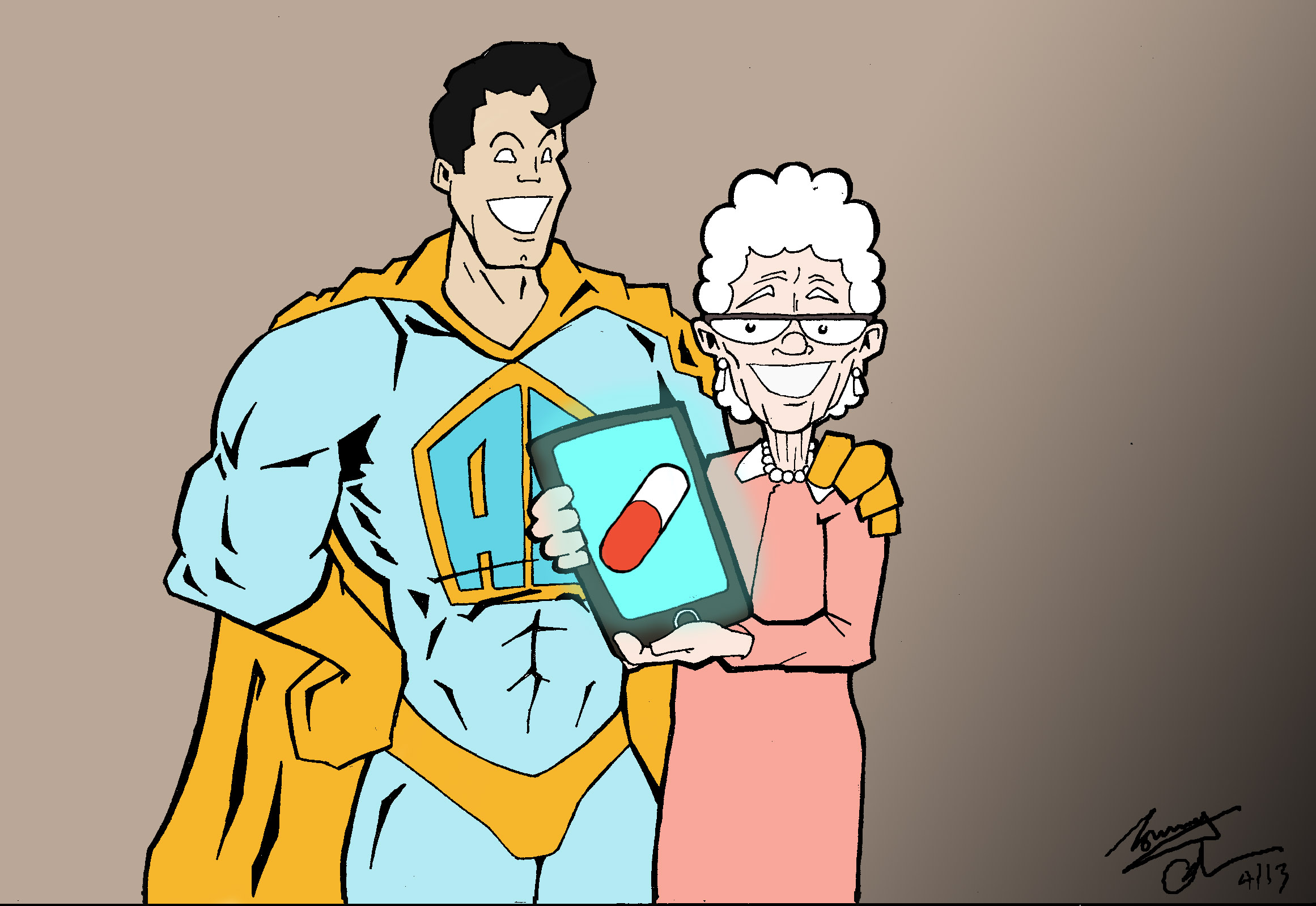
ManSmilew-BIGboard Cropped 125

………… TO BE CONTINUED

Posted in ELDERLY UK POLICY | Tagged | 4 Comments

“The More you Walk”

I have blogged about the merits of walking before and about the many excuses why I do not do it.  (Click on “WALK FOR LIFE” in the TAG CLOUD).

A brisk walk everyday is an easy step on the health ladder.   It costs nothing.   There are no gym membership fees.   No marathons to walk.   No preparations to make.   No expeditions to take.   Just 15 minutes a day and you extend your life by 1.8 years!

This is recent research by Harvard University no less.   They studied 600,000 people and broadly concluded that the more physical activity you do, the better you are.

This is hardly revolutionary.   It is just good common sense.   So why don’t so many of us follow this advice?   For most of my working life, I jumped in the car to go to work, sat down for the day at work, jumped back in the car to go home and then flopped in front of the TV for the evening.   That is a lifestyle so many of the people in the western world have adopted.   Activity and recreation is squeezed into the weekend.

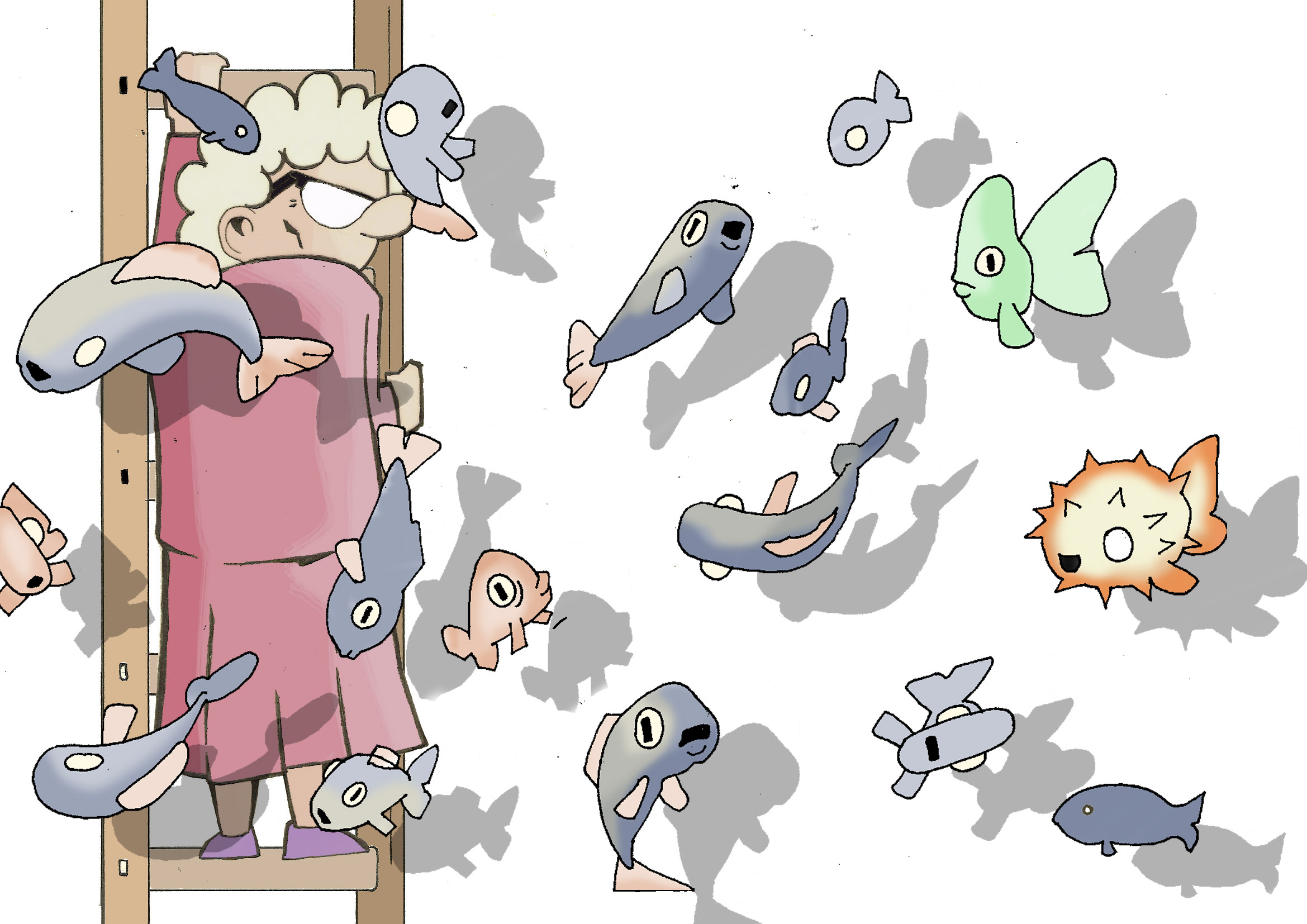
Ladderhealth10V2

The good news is that in retirement it need not be like that.  We can all find 15 minutes for a walk.

SO, GET OFF THAT SOFA, TURN OFF THE T.V.,  GET OUT IN THE FRESH AIR  AND  WALK.

ManSmilew-BIGboard Cropped 121

Posted in HEALTH | Tagged | 4 Comments

“Hooked on Pills”

Most children seem to instinctively have an aversion to pills.   That’s why “a spoonful of sugar helps the medicine go down”.

However, by the time we get to our later life years, the number of pills we take can become a badge of honour, or at least a recognition that someone still cares about us.

(See my earlier blogs on pills by clicking on “PILLS” in the TAG CLOUD).

The pill industry is thriving, even in the midst of a recession.   Doctors, urged on by their patients, shovel pills down us like there is no tomorrow.   Chemists are open 24 hours a day, 7 days a week with shelves and shelves of pills and potions.

BUT    is this a step on a Health Ladder ?   or a slide down a slippery snake ?

Concerns are now being expressed, not before time, that patients are becoming addicted to pills.

  • 62 million prescriptions are issued for painkillers every year
  • 50 million are given out for sleeping tablets
  • 18 million tranquilizers are prescribed annually

Ladderhealth - hooked on pills

A study at Harvard University found that pensioners who had regularly taken pills for insomnia and anxiety were 50% more likely to develop dementia.

The new guidelines being given to GPs urge them to consider alternatives to drugs, such as counselling and physiotherapy.   This is pretty hollow advice if counselling and physiotherapy services for the elderly are almost non-existent in the NHS.

ManSmilew-BIGboard Cropped 124

Posted in Dementia, HEALTH | Tagged , | 4 Comments

End to Junk Mail

I have written a lot about the postal service, because I think it remains an essential lifeline for many older people and means an occaisional visit from a friendly face.  ( To  read my earlier blogs click on “Grumblesmiles Post” in the TAG CLOUD)   However, one of my consistent complaints has been the deluge of junk mail we all receive.

Now it appears an inventive postie in Birmingham has found an eco-friendly solution to the problem.   He buried more than 20,000 letters which he claimed were junk mail in his back garden.    Sadly his short-sighted bosses didn’t see it as a great service improvement. The creative free-spirited postman was prosecuted and given an 8 month jail sentence.

Many of his customers may well have voted him  :-

   Postman of the Year

Posted in SMILES | Tagged | 5 Comments

“Elderly Bouncers”

Slow stream rehabilitation is a thing of the past.   Now they rush elderly people out of hospital faster than they push them in.   Unblocking beds is almost as vital as unblocking drains.   Hot bedding, just like hot desking, is becoming the new “just in time” technique in the NHS.   Nobody should be in hospital one minute more that it takes to fill in all the paperwork.

The problem is that older people don’t heal as quickly as the young and often don’t have anyone to look after them when they return home.   So surprise, surprise they frequently come bouncing back to the NHS not long after they have been discharged as “CURED”.

16% of all over 75’s needed emergency re-admission within 28 days of being discharged.  In 2010/11 that amounted to 210,000 rebound admissions.   That compares to 103,000 re-admissions in 2001/2.   In the meantime rehabilitation and convalescence wards are words that have disappeared from the NHS dictionary of helpful hints and tips.

If you were a manufacturer or a retailer and 16% of your product was returned as defective, you would soon go out of business.    In the NHS each discharge of an elderly person is counted as a “successful clinical episode”.

                                  So that’s alright then

Posted in HEALTH, N.H.S. | 1 Comment

” A Step Too Far? “

Assisted suicide has been a recurring subject in GrumbleSmiles ever since I wrote about it in my very first blog.   (See “LUCY DIED TODAY” by clicking in the ARCHIVE – MARCH 2010).

I have no doubt there is sincerity on both sides of the cases for and against.   I also imagine there is great personal tragedy behind many of the individual stories brought forward to support the argument for legalising assisted suicide.   They could have no better advocate than Lord Falconer, the former Lord Chancellor.   He has a barrister’s certainty about the righteousness of his case and the political guile to manoeuvre his way through parliamentary legislation.

A few years ago he set up an “independent” group of people to review the issue.    Now he assures us that “the public” have lost confidence in the present law.    His next step is to pilot a bill through the House of Lords to legalise assisted suicide for terminally ill patients with less than a year to live.   However, in an interview with The Times, he talks about people who are terminally ill with “only just months or weeks to live”.

His subtle change of words betrays the manipulation behind his argument.   It is the beginnings of a step too far.   A diagnosis of terminal illness with 3 weeks to live is a lot more certain than a one year prediction.   The safeguard of having two doctors to certify the diagnosis is equally open to manipulation.   Dr Harold Shipman showed us the possibilities.

Doubtless over the years to come the current legal position will be softened further in favour of assisting the terminally ill to die.

This may be a right thing to do, but add in the “burden” elderly people are putting on the NHS and the next step will be for a lawyer to widen the definition of terminal illness to include dementia.

Then you are truly on the slippery slope with no turning back.    We may even be there already.    It would not be the first time the law has to catch up with reality, but it is a frightening prospect.

Posted in Assisted Suicide, ELDERLY UK POLICY, HEALTH | Tagged | 1 Comment

“Simple Connections”

A while ago I was grumbling about the complexity of modern technology for many older people.   What appears and appeals to the younger generation as the latest advance in easy living, is anything but to their grandparents.   (See my earlier blog by clicking on TECHNOLOGY GAP in the TAG CLOUD).

What should and could be a revolution in enabling technology, more often leaves older people behind.   Feeling less capable and more bewildered about how things work.

Telephones are a classic example.   Many of the grandparent generation grew up without telephones in every household.   Everyone knew how to use the public telephone boxes and all carried pennies in their pocket or purse.   Soon everyone had mastered the phone, and it became a lifeline as families left home and moved away.

But the technology advanced.   Operators and switchboards have long since disappeared – the new exchange is an automated robotic response of press 1 for this, press 2 for that, press 3 for the other – and if all else fails, press x and you can speak to a real person who wishes you would not bother him or her.

Stuck for a number you could use the telephone directory — if you haven’t torn it up 🙂 or used it to replace the missing castor on the sofa.    Alternatively you could dial directory enquiries on 192.    Now that too has been improved with extra numbers – 118 118 and  higher connection charges.

Meanwhile, the latest phones have moved into the clouds.   All pictures, apps, bells, whistles, texts and endless ring tones.   3G and 4G is as incomprehensible to the older generation as press button A and B is to their grandchildren.

The good news is that Age UK have launched a new simple mobile phone specially designed for older people.    Touchscreen, big print, only eight buttons, and long battery life.

Recognition at last that there is a grey market that is worth investment.   We need many more products to be re-engineered into simple, easy to use technology.

   Grey Technology

Posted in Grey Products | Tagged , | Leave a comment

“Retirement Planning”

Thinking about taking the first steps onto the retirement ladder, I googled “Retirement Planning”, as any worldwide web wise pensioner would do these days.    And guess what?  All the top web links on Google are about money.    Pensions, annuities, savings and investments.    The advertising is all about financial planning, equity release and writing a will.

That tells you a lot about the immediate worries people have on reaching retirement.   It also reflects the limited horizons and lack of vision people have in relation to their lives after their working life is over.   Few people look beyond working when they are still at work.

At the bottom of the Google list, I found “The Retirement Planning Council”.    Somewhat surprisingly I had not heard of it – then I noticed it was in Ireland.   It is run by a charity and led by Chief Executive John Higgins who doesn’t look a bit like a World Champion Snooker player.   They run courses all over Ireland aimed at helping people plan a happy retirement.

They conducted a survey of over 1,000 people who had attended one of their courses.  Here are some of the interesting results:-

  • 81% were planning to retire soon
  • Most people were aged between 58 – 65
  • 80% were married
  • Only 29% were worried about their financial future
  • 86% expressed lack of trust in financial advisors
  • 53% do not engage in financial planning
  • 38% intended to continue working beyond 65 – mostly part-time

In terms of active retirement:-

  • 69% hoped to live out former dreams
  • 74% saw retirement as a new life chapter
  • 38% wanted to travel
  • 13% wanted more time for hobbies
  • Only 3% wanted to pursue education courses
  • 59% were involved with clubs and organisations – golf, community groups and health clubs were the most popular

In health terms:-

  • Just 16% expressed concern about future health
  • 81% describe themselves as computer literate
  • 86% have computer at home
  • 90% are uninterested in social networking
  • 79% were willing to be volunteers, mainly locally with community groups, churches and charities

In terms of wealth:-

  • 35% have not completed a will
  • 76% have not thought about enduring power of attorney.

Time to start planning for the next period of your life.

Tagged , | 2 Comments

“Chillingly Killing”

As I write this blog I am tucked up in bed with the central heating up high.   Outside it’s  minus 4ºC, the ground is covered with 6″ of snow and the roads and footpaths are sheets of ice.

It’s Christmas card weather.   Little children love it – all snowballs, snowmen and footprints in the snow.

Inside many thousands of elderly households the freezing weather won’t feel so welcome.

Several millions of pensioners live in fuel poverty while the average gas and electricity bill for over 65’s rose to £1,350 last year.   Energy costs have doubled in the last 6 years and continue to rise well above the rate of inflation.

£7 million older people are worried about the cost of heating their homes.

Meanwhile politicians contemplate cutting winter fuel payments for pensions, while they wrap themselves up in a coat of eye-catching, vote-catching warm words:-

  • The Green Deal – loans for home improvements;
  • The Warm Home Discount Scheme – £130 saving on energy bills;
  • The Energy Company Obligation Scheme – subsidised home insulation.

The Energy Minister – Mr Greg Baker – said recently “a warm house should be a given, not a luxury.   That is why we want to make sure everyone is aware of the support available.”

This is the same Government that forecasts that there will be 24,000 “excess” winter deaths this year.

Ladderhealth - Chill Kill

  It’s time for action, not warm words !

Posted in HEALTH | Tagged | 1 Comment

“Magnetic Mice”

My mousey friends have again been helping out with research into memory.   Studies have shown that by using a magnetic coil, mouse memory and learning can be improved.   They are already clever little devils.   They will be doing degrees in mathmatics or media studies next !

The same technique  –  called Transcranial Magnetic Stimulation  –  is now going to be trialled on patients with early stage memory loss.   It involves holding a magnetic coil over their heads while they try to answer quiz questions and complete puzzles.

magnetmiceJPG[1]

If it works, you can imagine in years to come we could all be walking around the streets looking like Roger Moore in “The Saint”.

I wonder if it will help me do the fiendish Sudoku?

Posted in Dementia, HEALTH | 2 Comments