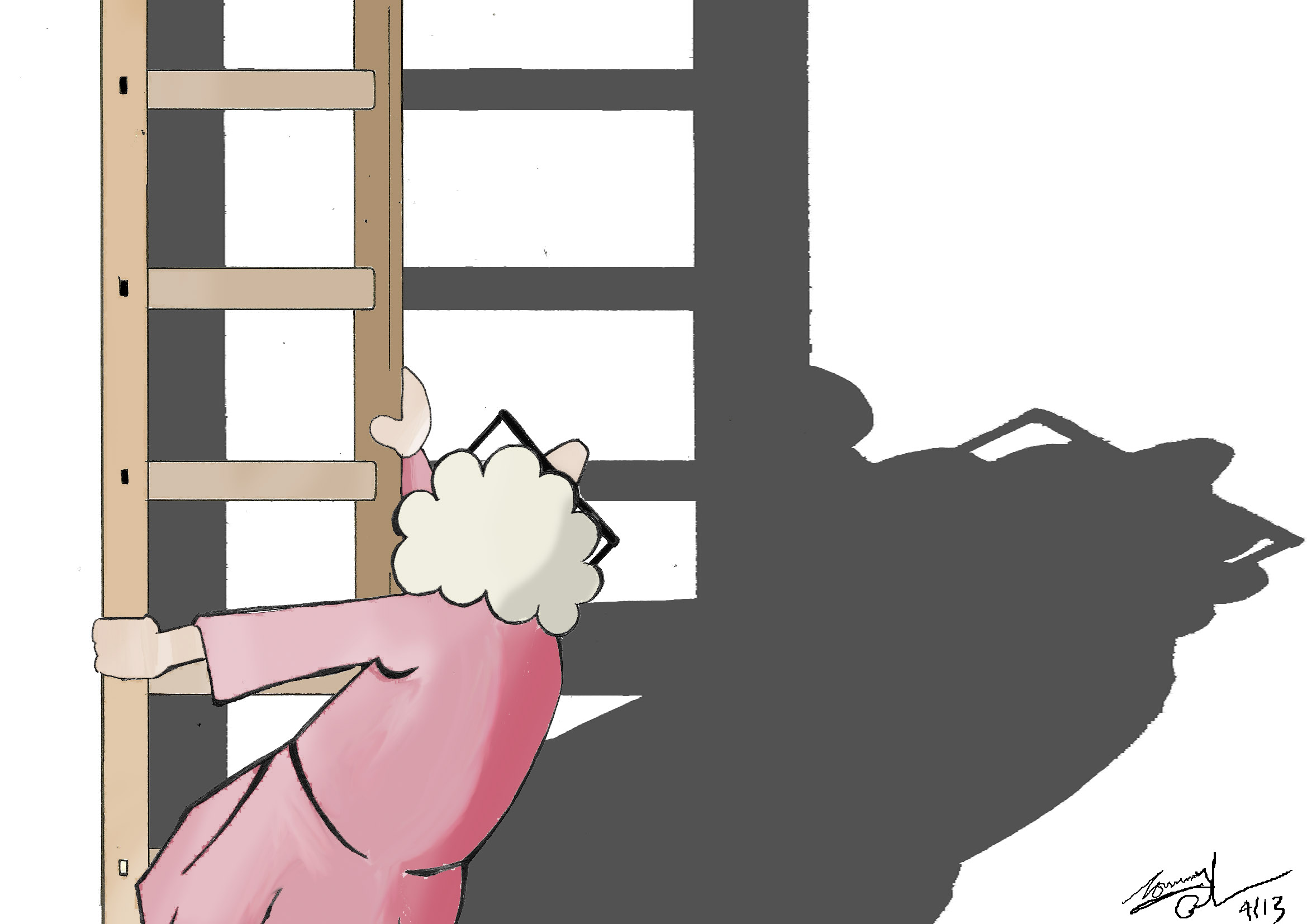
Recent headlines in the press have heralded a new era of bungalow building for our rapidly expanding population of older people.
- “Bungalows are back” – The Times, 26 August 2013.
- “Build thousands more bungalows”- Daily Mail 26 August 2013
The news that new planning guidance is about to be issued to local authorities to build more houses for older people, was stimulated by a Policy Exchange think tank report commissioned by Hanover Housing Association published in April, written by Alex Morten, entitled:-
“Housing and Intergenerational Fairness”
http://www.hanover50debate.org.uk/debates/debate-item-1#.UjR99dZwY2w
This paper is strong on its analysis of the current situation of older people in the UK, particularly in terms of demographic change. It also has some interesting insights into the financial value of older peoples’ assets.
Some of these facts, though not a new revelation, are largely being ignored by politicians and to some extent by the elderly themselves. For this reason, they are worth repeating though the think tank piece is short of ideas about what can be done, except for the significant fact that “the country needs to build more homes that people – particularly older people – want to live in and that blend in with existing communities and the countryside”.
Some key facts:-
Over 50’s own 82% of property wealth;
- In 2011 three quarters of older people are homeowners;
- The number ofUK residents over 60:
- In 1951 was 7.9 million
- In 2010 is 19 million;
- In 2030 is predicted to be 28 million;
- Significantly the oldest age groups will grow fastest between 2020 and 2030. Those over 74 will increase by 73% from 7.4 million to 12.8 million;
- By 2040 the ageing population is estimated to cost £80 billion in today’s money and which will be 5% of our GDP.
From a housing perspective, these figures all point in the same direction – there is a massive need for more housing – particularly for older people.
The paper then underlines the value of “downsizing”. It highlights that amongst the older population there are 25 million spare bedrooms which is a very inefficient use of capital by the elderly themselves. In contrast, it points out that release of capital from a primary residence is still free from capital gains tax and so should be a strong encouragement to move to a smaller property. Currently there are few options and the paper emphasises the need for high quality property in order to attract people to move.
It then veers off at a tangent by advocating bungalows, which ignores the reality of high land values. Co-housing is put forward as another alternative but this is only likely to make marginal impact unless the Government is prepared to invest more in capacity building.
Nonetheless, the central message is that we need to build a very substantial number (upwards of 200,000 new homes a year) of high quality retirement homes.
I will write some more thoughts on this subject of bungalows in my next blog.